
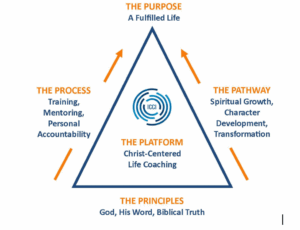
Foundational Principles (Drawing from DTS and GCU)
Here are some creative and well-thought-out ideas for faith-based mentoring principles, drawing from the provided sources:
- Christ-Centered Growth: The core of faith-based mentoring is to guide the mentee towards a deeper relationship with Christ, fostering spiritual formation and biblical application in all areas of life.
- Mentee-Driven Purpose: While rooted in faith, the mentoring relationship should prioritize the mentee’s specific growth needs and desires, allowing them to actively participate in setting the direction and duration.
- Authentic, Relational Guidance: Mentors serve as guides, not fixers, sharing their own real-life experiences, including vulnerabilities and triumphs, to build trust and demonstrate God’s grace. This fosters a reciprocal relationship.
- Biblical Grounding & Application: While mentors don’t need to be Bible experts, the goal of Christian mentoring is life change through the application of biblical truth. Mentors should be willing to learn alongside their mentees when unfamiliar with a particular area.
- Fluid & Adaptable Process: Recognize that growth is not linear. Mentoring relationships can be flexible in schedule and duration, adapting to the mentee’s life stages and evolving needs, with the understanding that God often uses multiple mentors in a person’s life.
Practical & Relational Applications (Expanding on DTS and GCU)
Innovative & Broadened Perspectives (Integrating all sources)
- Intentional & Purposeful Engagement: Move beyond “hanging out” by establishing clear, mutually agreed-upon purposes for the relationship, whether formal, informal, or focused on specific skills or spiritual disciplines. Time spent together should be intentional and valuable.
- Community & Interdependence: Emphasize that faith-based mentoring is best “walked out in community and within community.” Highlight the imago Dei and the inherent human desire for healthy, loving, and interdependent relationships, echoing the Trinity’s communal nature.
- Blessing Through Assignment: Encourage mentors to “bless their mentees by coming alongside them with assignments that promote healthy growth.” This could involve practical tasks, spiritual disciplines, or reflective exercises that align with the mentee’s purpose.
- Intergenerational Leadership Nurturing: Frame mentoring as a vital tool for establishing “intentional relationships with mentees [that] nurtures healthy inter-generational leadership,” building upon the biblical examples of Jesus, Paul, and Timothy.
- Long-Term Faithfulness & Perseverance: Instill the principle that faith-based mentoring is a “work in progress” that requires “faithfulness long-term.” Prepare for “both valley and mountaintop experiences,” demonstrating God’s unwavering commitment even through challenges.
- Diverse Mentoring Modalities: Promote the understanding that “there are many ways to mentor,” moving beyond the traditional one-on-one. Encourage exploration of:
- Group Mentoring
- Distance Mentoring
- Coaching Relationships
- One-Time Consultations
- Passive Mentoring (serendipitous encounters)
- Holistic Development (Beyond Spiritual): While Christ-centered, acknowledge that spiritual growth can deepen “leadership and vocational skills” and address “deeper heart issues.” This opens the door for mentoring in areas like:
- Career guidance
- Financial stewardship
- Relationship health
- Emotional well-being (with discernment for professional counseling needs)
- Risk Mitigation & Ethical Practices: Integrate the “Elements of Effective Practice for Mentoring™” by emphasizing the importance of:
-
- Realistic Expectations (on both mentor and mentee)
- Confidentiality
- Avoiding the “Fixer” or “Parent” Role
- Creating inclusive and safe program spaces for all.
- The “Who” Over the “How”: While practicalities are important, emphasize the biblical focus on “the who” in mentoring—the relationship itself, guided by God’s Spirit, rather than rigid adherence to a specific methodology. The relationship is a conduit for God’s work.
- Imitative Faith & Chain Reaction: Highlight the concept of “Christianity is an imitative faith” and the “chain reaction” of mentoring seen throughout biblical history. Encourage mentees to eventually become mentors themselves, continuing the cycle of discipleship and spiritual formation.














Recent Comments