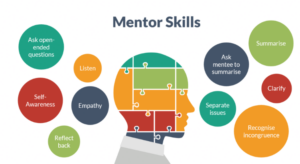
To be an effective mentor in 2026, one must possess a multifaceted blend of interpersonal, strategic, and professional competencies. The most critical skills include active listening, empathy, effective communication, adaptability, and the ability to provide constructive feedback, as these form the foundation of a trust-based relationship that fosters growth.
Beyond basic interpersonal skills, a successful mentor must demonstrate strong problem-solving abilities, emotional intelligence, and a commitment to continuous learning to remain relevant in an evolving professional landscape. Strategic skills such as goal-setting and organization are also vital; without clear, measurable objectives, a mentorship often lacks the direction necessary for tangible progress. Furthermore, mentors act as vital bridges to professional advancement by utilizing networking skills to introduce mentees to new opportunities and by modeling professionalism and integrity in all interactions.
The effectiveness of these skills is often amplified by modern tools. For instance, platforms like Chronus and Qooper help mentors track progress and maintain structured meeting agendas, ensuring that the relationship remains productive and goal-oriented. Ultimately, the most impactful mentors are those who lead with authenticity and patience, recognizing that development is a non-linear process that requires sustained motivation and a safe environment for the mentee to take risks.














Recent Comments