
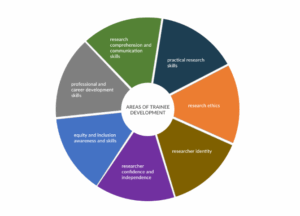
Mentorship programs thrive when they are structured with thoughtful approaches that cater to the needs of both mentors and mentees. Below are some creative and well-thought-out ideas for effective mentorship approaches.
1. Goal-Oriented Mentoring
- Establish SMART (Specific, Measurable, Achievable, Relevant, Time-bound) goals at the beginning of the relationship.
- Ensure both mentor and mentee align on career aspirations or skill development objectives.
2. Reverse Mentoring
- Pair younger employees with senior leaders to provide insights on emerging trends, technology, and cultural shifts.
- Foster mutual learning where both parties gain unique perspectives.
3. Peer Mentoring
- Match colleagues of similar experience levels who can share insights and collaborate on challenges.
- Encourage shared learning through brainstorming sessions or joint problem-solving.
4. Flash Mentoring
- Conduct one-time mentoring sessions focused on specific skills or challenges.
- Ideal for busy professionals or addressing immediate needs like interview preparation or project feedback.
5. Group Mentoring
- Form groups where one mentor guides multiple mentees simultaneously.
- Encourage collaboration among mentees while benefiting from shared experiences.
6. Skill-Based Mentorship
- Focus mentorship on developing a specific skill (e.g., public speaking, coding, leadership).
- Create a roadmap for learning and track measurable progress over time.
7. Storytelling Approach
- Encourage mentors to share personal anecdotes about overcoming challenges or achieving success.
- Use storytelling to make lessons relatable and memorable for mentees.
8. Hybrid Mentorship Models
- Combine in-person meetings with virtual interactions to accommodate different schedules and locations.
- Leverage technology like video calls, messaging apps, and mentorship software for seamless communication.
9. Diversity-Focused Mentorship
- Design mentorship programs to support underrepresented groups in the workplace.
- Promote inclusivity by pairing diverse mentor-mentee pairs based on cultural backgrounds or experiences.
10. Shadowing Opportunities
- Allow mentees to observe their mentors during work tasks or decision-making processes.
- Provide hands-on exposure to real-world scenarios within the mentor’s role.
11. Challenge-Based Learning
- Assign mentees real-world challenges relevant to their roles.
- Guide them through solving these challenges while providing constructive feedback along the way.
12. Rotational Mentorship Programs
- Enable mentees to learn from multiple mentors across departments or expertise areas over time.
- Broaden their knowledge base and network within the organization.
13. Empathy-Centered Approach
- Focus on building trust by prioritizing open communication and active listening between mentors and mentees.
- Address emotional intelligence as part of professional development discussions.
14. Feedback-Driven Sessions
- Integrate regular feedback loops into mentoring sessions where both parties evaluate progress and refine goals together.
- Use tools like self-assessments or peer reviews to gather additional input.
Each of these approaches can be tailored based on organizational goals, participant preferences, and industry needs!
Recent Comments