
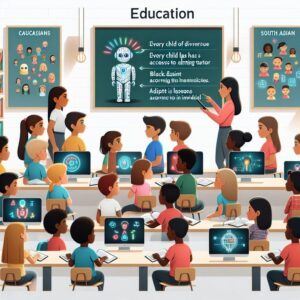
Artificial intelligence is transforming how we learn, work, and communicate. From writing emails to analyzing data, AI has become a valuable tool that helps us accomplish more in less time. But as technology continues to evolve, one skill remains uniquely human, and more valuable than ever: emotional intelligence (EQ).
The AI generation has access to limitless information, but information alone doesn’t build meaningful relationships. Emotional intelligence is what helps us understand our own emotions, empathize with others, communicate with respect, resolve conflicts, and make thoughtful decisions. These are the skills that strengthen teams, build trust, and create lasting connections.
Whether you’re a parent, educator, leader, or mentor, teaching emotional intelligence is no longer optional, it’s essential. Encourage active listening instead of simply waiting to respond. Teach empathy by helping others see different perspectives. Model self-awareness by acknowledging emotions and responding rather than reacting. Celebrate kindness, collaboration, and resilience just as much as academic or professional achievements.
AI can generate ideas, automate tasks, and answer questions, but it cannot replace genuine compassion, integrity, emotional maturity, or the ability to inspire another person through authentic human connection.
The future belongs to those who can combine technological skills with emotional wisdom. Imagine a generation that knows how to use AI responsibly while leading with empathy, curiosity, and emotional resilience. That’s the kind of leadership our workplaces, communities, and families need.
As we prepare the next generation for an AI-powered world, let’s remember that the greatest competitive advantage isn’t just knowing how to use technology, it’s knowing how to understand, support, and connect with people.
Technology may shape the future, but emotional intelligence will shape the people who lead it.
Recent Comments