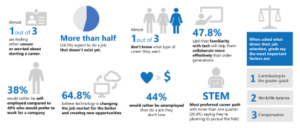
Millennials and Gen Z, often referred to as digital natives, are reshaping the modern workplace with their distinct values, expectations, and approaches to work. Understanding these generational differences is crucial for organizations aiming to attract, retain, and effectively manage a diverse workforce. Millennials, generally born between 1981 and 1996, prioritize work-life balance, meaningful work, and opportunities for growth and development. They often seek employers who offer flexible work arrangements, a collaborative environment, and a strong sense of purpose. Gen Z, born roughly between 1997 and 2012, takes these expectations a step further, emphasizing authenticity and a clear path for career progression. They are highly digitally fluent, value transparency, and are often motivated by social impact and ethical considerations in their employment choices. Both generations are less likely to stay in a single job for their entire career, viewing job hopping as a means to gain new skills and advance their professional goals.
The most relevant answer is that Millennials and Gen Z are fundamentally reshaping the modern workplace by prioritizing work-life balance, meaningful work, opportunities for growth, flexibility, authenticity, and social impact, leading to a shift in traditional employment expectations and career trajectories. These generations are characterized by their digital fluency and a desire for transparency and purpose in their professional lives.
Millennials, having grown up during a period of rapid technological advancement and economic shifts, often seek employers who invest in their professional development and provide clear pathways for advancement. They value feedback and mentorship and are generally comfortable with technology, using it to enhance productivity and collaboration. Their desire for work-life balance often translates into a preference for flexible schedules, remote work options, and generous paid time off. This generation also tends to be more socially conscious, expecting their employers to demonstrate corporate social responsibility and ethical practices.
Gen Z, on the other hand, has grown up in a hyper-connected world, making them even more digitally native than Millennials. They are often characterized by their entrepreneurial spirit and a pragmatic approach to career planning, often seeking multiple income streams and valuing financial stability. Transparency and authenticity are paramount for Gen Z, who are adept at using social media to research potential employers and are less likely to tolerate corporate jargon or insincere messaging. Gen Z often prioritizes mental health and well-being support from their employers, recognizing the importance of a healthy work environment. Both generations are driving a significant shift away from traditional hierarchical structures towards more collaborative and agile work models.














Recent Comments