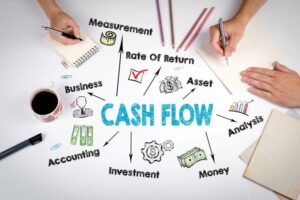
Cash flow management is a critical aspect of business operations, especially for small businesses, and involves the strategic oversight of money coming into and going out of a business. Effective cash flow management ensures a business has sufficient liquidity to meet its short-term obligations, invest in growth, and weather unexpected financial challenges. Key components include optimizing payment collections, implementing robust budgeting practices, and developing accurate forecasting models.
Entrepreneurs’ groups, often referred to as E-Groups or peer advisory boards, serve as invaluable resources for small business owners seeking to enhance their cash flow management. These groups provide a collaborative environment where members can share experiences, offer advice, and gain fresh perspectives on navigating financial hurdles. The collective wisdom within such a group can lead to practical solutions derived from real-life scenarios, which might not be readily apparent to an individual business owner. We encourage small business owners to have an accounting advisor for their businesses. The following are ideas to handle cash flow; your own strategy can be developed using an accounting professional.
Strategies for Improving Payment Collections
Improving payment collections is a cornerstone of healthy cash flow. E-Groups can discuss and recommend various strategies, such as:
- Clear Payment Terms: Establishing unambiguous payment terms at the outset of any transaction can significantly reduce delays. This includes specifying due dates, acceptable payment methods, and any late payment penalties.
- Proactive Invoicing: Sending invoices promptly and following up regularly on outstanding payments can accelerate the collection process. Automated invoicing systems can streamline this task.
- Diversified Payment Options: Offering multiple payment methods, such as credit cards, online transfers, and direct debits, can make it easier for customers to pay on time.
- Customer Relationship Management: Maintaining strong relationships with clients can facilitate open communication regarding payment issues and lead to quicker resolutions.
Budgeting Tips
Effective budgeting is essential for controlling expenditures and allocating resources wisely. Within an E-Group, members can share and refine budgeting techniques, including:
- Zero-Based Budgeting: This approach requires justifying every expense for each new period, rather than simply adjusting previous budgets. It can help identify unnecessary costs.
- Forecasting Expenses: Accurately predicting future expenses allows businesses to set aside funds and avoid cash shortages. This involves analyzing historical data and considering upcoming operational changes.
- Categorizing Expenses: Breaking down expenses into fixed and variable categories helps in understanding spending patterns and identifying areas for cost reduction.
- Regular Budget Reviews: Periodically reviewing the budget against actual spending allows for adjustments and ensures the budget remains relevant to the business’s financial reality.
Accurate Forecasting
Accurate cash flow forecasting is crucial for strategic planning and decision-making. E-Groups can provide insights into developing more reliable forecasts by:
- Analyzing Historical Data: Using past financial records to identify trends and patterns in cash inflows and outflows is fundamental to accurate forecasting.
- Considering External Factors: Economic conditions, industry trends, and seasonal variations can significantly impact cash flow and should be incorporated into forecasts.
- Scenario Planning: Developing multiple forecasts based on different scenarios (e.g., best-case, worst-case, most likely) prepares a business for various eventualities.
- Utilizing Technology: Cash flow forecasting software can automate data analysis and provide more sophisticated predictive models.
Goal Setting and Accountability
E-Groups foster an environment of goal setting and accountability, which is vital for addressing cash flow challenges. Members can work together to:
- Define Measurable Goals: Setting specific, measurable, achievable, relevant, and time-bound (SMART) goals related to cash flow improvement provides a clear roadmap for action. For example, a goal might be to “reduce average days sales outstanding (DSO) by 10% within the next quarter.”
- Peer Feedback and Insight: Group members offer constructive criticism and diverse perspectives on individual challenges, helping to refine strategies and identify potential pitfalls.
- Regular Check-ins: Scheduled meetings and discussions within the group ensure members stay on track with their goals and provide opportunities to discuss progress and overcome obstacles.
- Shared Learning: The collective experience of the group allows members to learn from each other’s successes and failures, accelerating their own learning curve.
E-Groups as a Board of Advisors
Ultimately, E-Groups function as a de facto board of advisors for small businesses. Alongside the guidance and coaching from facilitators, these groups empower business owners to navigate complex growth and sustainability challenges. The collaborative nature of these groups provides a safe space for discussing sensitive financial matters and receiving unbiased, experienced advice, which is often inaccessible or cost-prohibitive for small businesses to obtain through traditional consulting services. The primary benefit of an Entrepreneurs Group for cash flow management is its ability to provide a collaborative environment for sharing strategies, offering peer advice, and fostering accountability, leading to improved payment collections, better budgeting, and more accurate forecasting.














Recent Comments