
Emotional Intelligence Focused Ideas
- “Emotion Detective” Workshops:
- Concept: Mentees engage in scenario-based role-playing to identify and label a wide range of emotions in themselves and others. Mentors provide real-time feedback on accuracy and nuance.
- Benefit: Develops emotional vocabulary and observational skills.
- “Empathy Mapping for Impact”:
- Concept: Mentees create empathy maps for various stakeholders (colleagues, clients, family members) to understand their perspectives, feelings, and pain points. Discussions with mentors focus on how this understanding influences communication and decision-making.
- Benefit: Enhances perspective-taking and social awareness.
- “Feedback Fortress: Building Resilience Through Constructive Criticism”:
- Concept: Structured sessions where mentees practice receiving and giving constructive feedback, focusing on managing their emotional responses and delivering messages effectively. Mentors model best practices and facilitate reflection.
- Benefit: Improves self-regulation and social skills in challenging interactions.
- “Mindful Pause for Emotional Check-in”:
- Concept: Mentors guide mentees through short, daily mindfulness exercises specifically designed to help them identify their current emotional state before starting tasks or interactions.
- Benefit: Fosters self-awareness and proactive emotional management.
- “Influence Through Understanding: The Art of Persuasion with EQ”:
- Concept: Case studies and discussions on successful negotiations or influencing attempts, analyzing how emotional intelligence played a crucial role in achieving desired outcomes. Mentees develop their own EQ-driven persuasion strategies.
- Benefit: Applies emotional intelligence to practical leadership and influence.
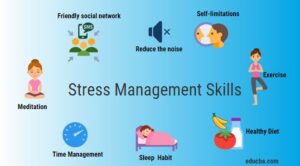
Stress Management Focused Ideas
- “Stress Signature Discovery & Management Plan”:
- Concept: Mentees work with mentors to identify their unique stress triggers, physical and emotional symptoms, and develop personalized “stress signature” profiles. They then co-create a tailored stress management plan with specific coping mechanisms.
- Benefit: Promotes individualized and effective stress coping strategies.
- “The ‘Unwind’ Toolkit Workshop”:
- Concept: Practical, hands-on sessions introducing various stress-reduction techniques (e.g., progressive muscle relaxation, diaphragmatic breathing, quick mindfulness exercises, stretching). Mentees build a personal “unwind toolkit.”
- Benefit: Provides a diverse array of accessible stress-relief tools.
- “Time Management as Stress Prevention”:
- Concept: Mentors guide mentees in optimizing their time management skills, focusing on prioritization, delegation, and boundary setting, framed as proactive stress prevention rather than just productivity.
- Benefit: Reduces stress by improving organizational habits and reducing overwhelm.
- “Resilience Rebuilders: Learning from Setbacks”:
- Concept: Mentees reflect on past stressful or challenging experiences, identifying what worked, what didn’t, and how they can build greater resilience for future stressors. Mentors share their own experiences and lessons learned.
- Benefit: Develops coping mechanisms and a growth mindset towards adversity.
- “Digital Detox & Focus Sprints”:
- Concept: Mentees are encouraged to implement structured “digital detox” periods and “focus sprints” (e.g., Pomodoro Technique) to reduce digital overload and improve concentration, thereby lowering stress levels. Mentors share strategies for effective implementation.
- Benefit: Manages digital distractions and promotes focused work, reducing mental fatigue.
Integrated Emotional Intelligence & Stress Management Ideas
- “The ‘React vs. Respond’ Challenge”:
- Concept: Mentees analyze stressful situations where they typically react impulsively. Mentors help them deconstruct these reactions and develop strategies for a more thoughtful and emotionally intelligent response, focusing on self-regulation.
- Benefit: Bridges emotional self-regulation with effective stress response.
- “Boundary Setting with Empathy”:
- Concept: Discussions and role-playing exercises on how to set healthy personal and professional boundaries, not just to manage stress but also to communicate needs effectively while considering others’ perspectives (applying EQ).
- Benefit: Combines self-care (stress management) with respectful communication (EQ).
- “Post-Stress Debrief & Learn”:
- Concept: After a particularly stressful event or period, mentees engage in a structured debrief with their mentor. The focus is on identifying emotional triggers, assessing coping strategies used, and learning how to apply emotional intelligence for future similar situations.
- Benefit: Turns stressful experiences into learning opportunities for both EQ and stress resilience.
- “Cultivating a ‘Gratitude & Growth’ Mindset for Well-being”:
- Concept: Mentors introduce practices like gratitude journaling or daily reflections on small wins and personal growth, demonstrating how these practices positively impact emotional well-being and reduce perceived stress.
- Benefit: Fosters a positive emotional state that acts as a buffer against stress.
- “Mentee-Led ‘Well-being Exchange'”:
- Concept: Mentees periodically lead short sessions or share resources on a specific emotional intelligence or stress management technique they’ve found effective. This empowers them and fosters a community of learning.
- Benefit: Reinforces learning through teaching and builds a supportive network for ongoing well-being.














Recent Comments