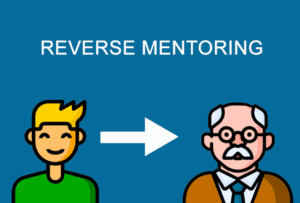
Here are some creative and well-thought-out logical ideas for reverse mentorship, focusing on diverse applications and benefits:
Idea Categories
Technology & Digital Literacy
- “Digital Native” Deep Dive:
- Concept: Younger employees (mentors) teach senior leaders (mentees) about emerging technologies, social media platforms, AI tools, or specific software they use daily.
- Focus: Not just how to use, but why it’s relevant, its impact on consumer behavior, and potential business applications.
- Outcome: Bridges generational tech gaps, informs strategic decisions, and fosters innovation.
- Cybersecurity Savvy for Seniors:
- Concept: Junior cybersecurity or IT professionals mentor executives on best practices for personal and corporate digital security, phishing awareness, data privacy, and safe online habits.
- Focus: Practical, hands-on understanding of threats and preventative measures often overlooked by those less digitally immersed.
- Outcome: Reduces organizational risk, enhances personal security, and creates a more security-conscious leadership.
- “App Innovation Sprint”:
- Concept: A reverse mentorship program where junior employees introduce senior leaders to new productivity apps, collaboration tools, or industry-specific mobile applications.
- Focus: Exploring how these tools could streamline workflows, improve communication, or provide competitive advantages.
- Outcome: Leaders gain exposure to cutting-edge tools, potentially leading to widespread adoption and increased efficiency.
Culture & Engagement
- “Voice of the New Generation”:
- Concept: Recent graduates or early-career professionals mentor senior leaders on current workplace expectations, work-life balance trends, diversity and inclusion perspectives, and preferred communication styles.
- Focus: Understanding the motivations, values, and career aspirations of the incoming workforce.
- Outcome: Helps leaders adapt management styles, improve retention, and foster a more inclusive and attractive work environment.
- “Unfiltered Feedback Loop”:
- Concept: A structured reverse mentorship where junior employees provide candid, anonymous (or semi-anonymous) feedback to senior leaders on company culture, policies, and initiatives from their ground-level perspective.
- Focus: Creating a safe space for honest insights that might not emerge through traditional channels.
- Outcome: Leaders gain invaluable qualitative data, identify blind spots, and can make more informed decisions to improve employee satisfaction.
- “Social Impact & Purpose Alignment”:
- Concept: Younger employees, often highly attuned to social responsibility, mentor leaders on current social justice issues, sustainability practices, and corporate ethical considerations.
- Focus: How the company’s actions align with societal values and the expectations of a purpose-driven workforce and customer base.
- Outcome: Informs CSR strategies, enhances brand reputation, and strengthens employee engagement through shared values.
Business Acumen & Strategy
- “Market Pulse Check”:
- Concept: Front-line employees (e.g., customer service, sales, junior marketing) mentor senior product or strategy leaders on current customer pain points, emerging market trends, and competitive insights from their direct interactions.
- Focus: Providing real-time, ground-level market intelligence that might not be captured in formal reports.
- Outcome: Leads to more responsive product development, refined marketing messages, and agile business strategies.
- “Cross-Functional Insights Exchange”:
- Concept: Junior employees from one department mentor senior leaders from another department, providing a fresh perspective on inter-departmental challenges, bottlenecks, or opportunities for collaboration.
- Focus: Breaking down silos and fostering a holistic understanding of organizational operations.
- Outcome: Improves cross-functional efficiency, identifies process improvements, and enhances overall organizational synergy.
- “Agile Mindset Immersion”:
- Concept: Junior employees (especially from tech or project management roles) mentor senior leaders on agile methodologies, scrum principles, and iterative development processes.
- Focus: Practical application and benefits of agile beyond theoretical understanding, demonstrating how it can accelerate innovation and adaptability.
- Outcome: Leaders gain a deeper appreciation for agile, potentially leading to broader adoption and more flexible strategic planning.
Personal Development & Well-being
- “Work-Life Integration for Leaders”:
- Concept: Junior employees, who often prioritize work-life balance and mental well-being, mentor senior leaders on strategies for managing stress, setting boundaries, and integrating personal life with professional demands.
- Focus: Sharing practical tips and perspectives on maintaining well-being in a demanding environment.
- Outcome: Promotes healthier leadership habits, sets a positive example for the organization, and reduces burnout.
- “Personal Branding in the Digital Age”:
- Concept: Younger employees, adept at navigating social media and online presence, mentor senior leaders on developing and managing their professional personal brand online (e.g., LinkedIn, industry-specific platforms).
- Focus: Strategic use of digital platforms to enhance professional reputation and thought leadership.
- Outcome: Leaders become more effective communicators and influencers in the digital space.
- “Learning New Skills – Together”:
- Concept: A reverse mentorship where mentor and mentee jointly learn a new skill (e.g., a new programming language, video editing, a data visualization tool). The junior employee acts as a guide and peer, while the senior leader experiences learning from a different perspective.
- Focus: Shared learning, breaking down hierarchical barriers, and fostering a growth mindset.
- Outcome: Builds stronger relationships, encourages continuous learning, and demonstrates vulnerability in leadership.
Niche & Future-Focused
- “Gen Z Consumer Insights”:
- Concept: The youngest employees (Gen Z) mentor marketing, product development, and sales leaders on their generation’s unique consumer behaviors, brand loyalties, media consumption habits, and purchasing drivers.
- Focus: Direct, first-hand understanding of a crucial and growing market segment.
- Outcome: Informs targeted marketing campaigns, product positioning, and future business strategies.
- “Sustainability Practices & Innovation”:
- Concept: Employees passionate about environmental issues or with expertise in sustainable practices mentor leaders on integrating eco-friendly initiatives into operations, supply chains, and product design.
- Focus: Practical steps and innovative ideas for reducing environmental footprint and meeting ESG goals.
- Outcome: Drives corporate sustainability efforts and fosters a more environmentally conscious culture.
- “Gamification & Engagement Strategies”:
- Concept: Junior employees, often familiar with gamified experiences in their personal lives, mentor HR or L&D leaders on applying gamification principles to employee training, onboarding, or engagement programs.
- Focus: How to make internal processes more engaging, interactive, and effective.
- Outcome: Leads to more dynamic and impactful internal programs, increasing participation and knowledge retention.














Recent Comments