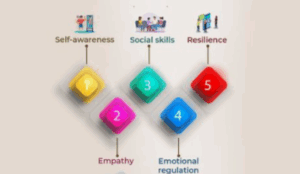
While Gen Z excels in leveraging technology, many seek guidance in honing their communication skills, improving emotional intelligence, and building confidence. Below are some creative, actionable ideas to mentor them effectively.
Communication Skills
1. Interactive Storytelling Workshops
- Host workshops where mentees craft and share personal stories. This helps improve public speaking, narrative-building, and self-expression.
2. Role-Playing Difficult Conversations
- Use role-playing exercises to simulate tough scenarios (e.g., negotiating a raise or resolving conflict). Provide constructive feedback to refine their approach.
3. Digital Communication Audits
- Review emails, texts, and social media posts with mentees to assess tone, clarity, and professionalism in digital communication.
4. Podcast Creation Projects
- Encourage mentees to create podcasts on topics they’re passionate about. This builds confidence in expressing ideas clearly while refining verbal communication skills.
5. Non-Verbal Communication Challenges
- Conduct sessions focusing solely on non-verbal cues like body language, eye contact, and facial expressions to enhance interpersonal effectiveness.
Emotional Intelligence
6. Emotion Mapping Exercises
- Guide mentees through mapping out emotions they experience during the day. Discuss triggers and strategies for managing those emotions constructively.
7. Empathy Immersion Activities
- Assign tasks that require stepping into someone else’s shoes (e.g., volunteering or interviewing individuals from diverse backgrounds) to develop empathy.
8. Active Listening Bootcamps
- Run intensive workshops where participants practice active listening techniques like paraphrasing or summarizing conversations before responding.
9. Mindfulness Mentorship
- Teach mindfulness practices such as meditation or journaling to help mentees manage stress and stay emotionally grounded during challenging situations.
10. Conflict Resolution Labs
- Create simulations of real-world conflicts where mentees must apply emotional intelligence principles to resolve issues collaboratively.
Confidence Building
11. Micro-Wins Challenge
- Design a challenge where mentees set small daily goals (e.g., initiating a conversation with a stranger) to build confidence incrementally over time.
12. Personal Branding Workshops
- Help mentees identify their unique strengths and craft an authentic personal brand that aligns with their goals and values.
13. “Fail Forward” Sessions
- Organize group discussions about past failures and lessons learned, normalizing setbacks as part of growth while fostering resilience.
14. Public Speaking Clubs
- Start small public speaking groups where mentees present short talks regularly, receiving supportive feedback from peers and mentors alike.
15. Strengths-Based Feedback Loops
- Offer regular one-on-one feedback sessions that focus on celebrating strengths while identifying specific areas for growth in a positive manner.
Implementation Tips
- Begin each mentorship session by setting clear objectives.
- Foster a safe space for vulnerability—ensure participants feel supported when discussing challenges.
- Combine virtual tools (e.g., Zoom) with in-person activities for flexibility.
- Use gamification elements like badges or rewards for completing milestones.
- Encourage peer-to-peer mentoring alongside mentor-led initiatives to amplify impact.
By focusing on these strategies, mentors can empower Gen Z to become more effective communicators, emotionally intelligent leaders, and confident individuals ready to navigate the complexities of the modern world! Click the link to my Blog to read more: peak-ds.com
#genzisourfuture #genz #coaching #everyone #genzcommunity #worklife #work #worklifebalance #business #workfromhome #instagood #motivation #entrepreneur #office #leadership #lifestyle #teamwork














Recent Comments