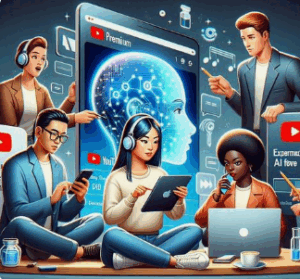
Born into a connected and fast-paced digital environment, Gen Z demands innovative mentoring approaches that cater to their tech-savvy and collaborative nature. Below are 15 creative and logical ideas to evolve mentoring practices for this digitally native generation.
- Create a Virtual Mentorship Platform
Design a dedicated mentorship platform or app where mentors and mentees can connect, communicate, and track progress in real time. Features could include:
Video chat
Goal tracking
Feedback loops
Learning resources
- Leverage Gamification for Engagement
Use gamification techniques such as:
Progress badges for achieving milestones
Leaderboards to encourage friendly competition
Rewards systems for active participation
This approach taps into Gen Z’s love for gaming mechanics while keeping them motivated.
- Microlearning Modules
Deliver mentorship lessons through bite-sized content like short videos, infographics, or mini-podcasts that fit into Gen Z’s fast-paced lifestyle. These modules can focus on:
Personal development tips
Career advice
Leadership skills
- Incorporate Social Media-Based Mentorship
Use platforms like Instagram, TikTok, or LinkedIn to share quick insights or host live Q&A sessions with mentors. This keeps the mentoring process accessible on platforms they already use.
- AI-Powered Personalized Mentorship Recommendations
Implement AI tools to analyze mentees’ goals, preferences, and learning styles to recommend:
Relevant mentors within the network.
Tailored resources (articles, videos, courses).
- Host Virtual Collaboration Projects
Encourage virtual teamwork by organizing group projects where mentees collaborate across locations. Examples include:
Building a mock startup idea.
Developing solutions to real-world challenges.
This fosters problem-solving skills and teamwork in an online environment.
- Use Augmented Reality (AR) or Virtual Reality (VR)
Integrate immersive technologies such as AR/VR into mentorship programs for interactive experiences like:
Simulating workplace scenarios.
Offering virtual office tours.
Conducting role-playing exercises.
- Launch Digital Networking Events
Host virtual networking events where mentees can connect with industry leaders via breakout rooms or speed networking sessions on platforms like Zoom or Gather Town.
- On-Demand Mentorship Sessions
Allow mentees to book one-on-one mentorship sessions on-demand using scheduling tools like Calendly or integrated features within a custom app.
- Encourage Peer-to-Peer Digital Mentoring
Facilitate peer-mentoring programs where Gen Z members mentor each other based on complementary skill sets using digital collaboration tools such as Slack or Microsoft Teams.
- Integrate Interactive Feedback Tools
Use real-time feedback tools like polls, quizzes, and surveys during mentorship sessions to make learning more interactive and adaptive based on mentee input.
- Develop Podcasts Featuring Mentor Stories
Create podcasts where mentors share personal stories of growth and lessons learned in bite-sized episodes that resonate with younger audiences.
- Build Communities Around Shared Interests
Create niche digital communities (e.g., Discord servers) where mentees with similar career interests can interact regularly with both peers and mentors.
- Utilize Data Analytics for Progress Tracking
Implement data dashboards that track key performance indicators (KPIs) for mentee progress—such as completed tasks, acquired skills, and goal achievements—allowing both parties to see measurable growth over time.
- Offer Digital Certifications After Program Completion
Award digital certificates or badges upon completing specific mentorship milestones or programs that can be shared on LinkedIn profiles or resumes as verifiable achievements.
By embracing these ideas rooted in technology and innovation, mentoring programs can effectively engage Gen Z while meeting their expectations of fast access, virtual collaboration, and personalized learning opportunities!














Recent Comments